
Knowledge base
Longer pieces on the things we get asked about most, and straight answers to the shorter questions — each one on the page for the treatment it belongs to, so the answer arrives with the context, the fee and the dentist who does it.
Articles
 Veneers or Invisalign: Which Changes Your Teeth Less?Choosing · 7 October 2026One moves the teeth you have. The other covers them, usually after removing enamel permanently. Which question you are asking decides it.
 I Have a Hard Lump in My Mouth. Is It From Grinding?Signs · 6 October 2026A hard, painless lump inside the lower jaw or along the palate is usually normal bone. Why people who clench tend to have them.
 How Do I Stop a Toothache at Night?Emergency · 6 October 2026Why it is worse lying down, what helps until morning, and what a pain that wakes you is usually telling you.
 What Should I Do About a Knocked-Out Tooth?Emergency · 6 October 2026Hold it by the crown, put it back if you can, and keep it in milk rather than water. Why the first minutes decide it, and why a baby tooth is the exception.
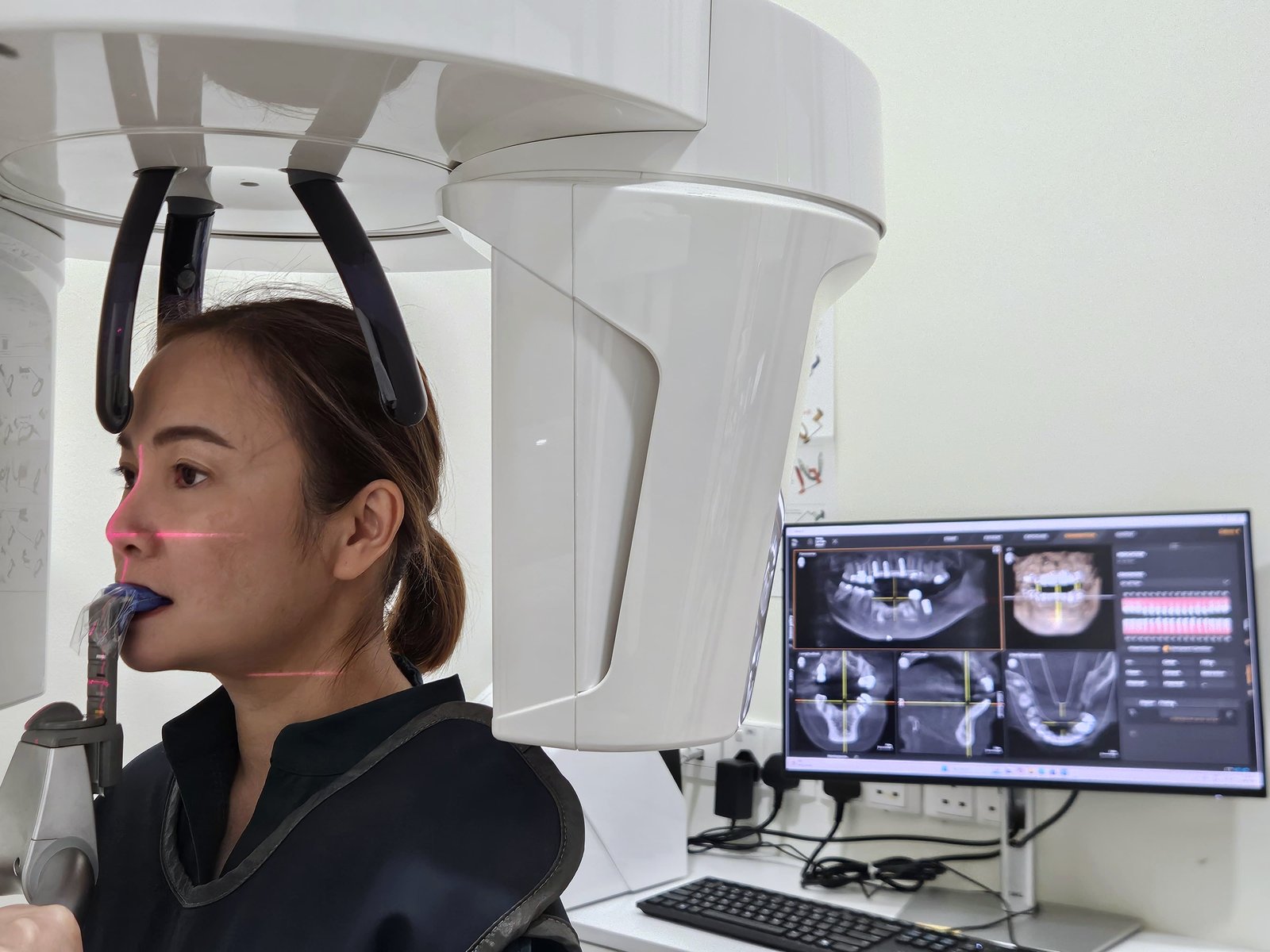 What a 3D Scan Shows That an X-Ray Doesn’tTechnology · 21 August 2026Intraoral scans, X-rays, CBCT and near-infrared imaging each answer a different question. Why one does not replace another.
 Why Teeth Wear Down, and Why It Speeds UpGrinding and wear · 11 August 2026The three causes of wear, how to tell which one you have, and why enamel loss accelerates once it is breached.
 Bleeding Gums Are Not Normal — And Not Only About Your MouthOral-systemic health · 28 July 2026Why gums bleed, the line between reversible and not, and what the evidence does and does not say about heart disease and diabetes.
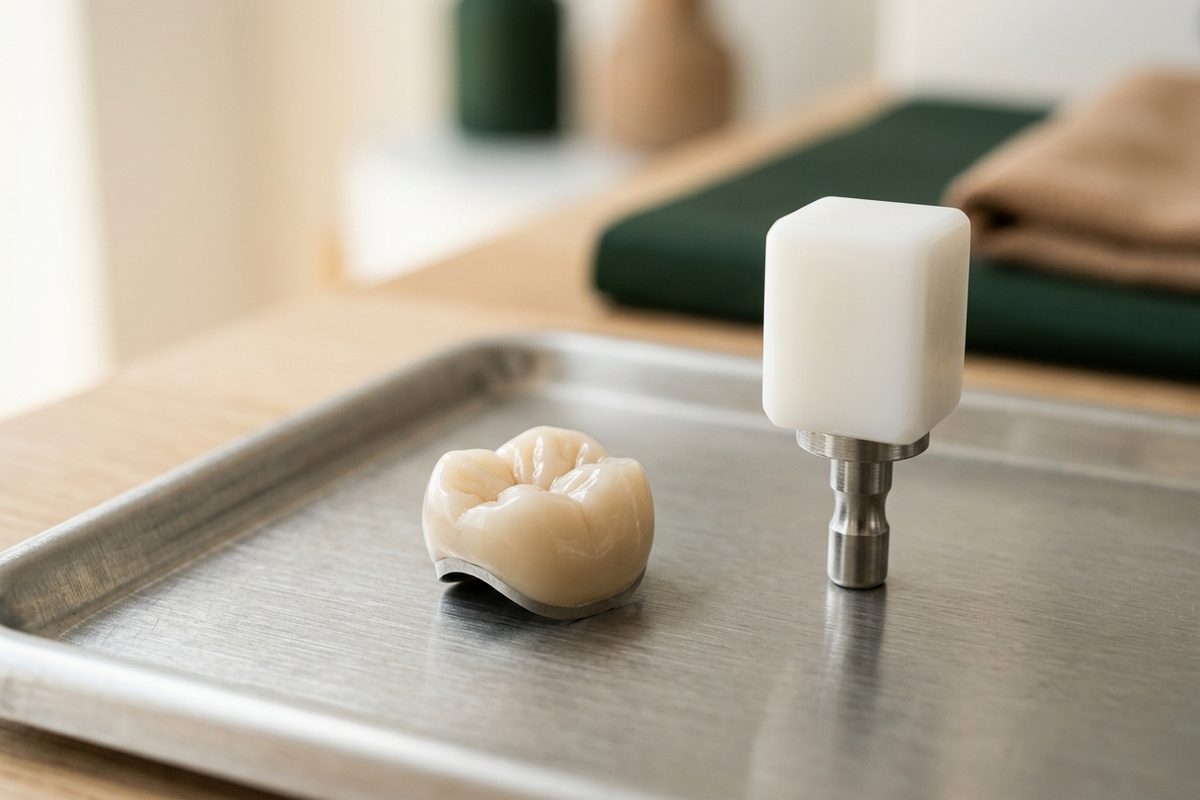 Onlays vs Crowns: How to Tell Which One a Tooth NeedsRestorative dentistry · 26 August 2026What decides which one is right, and how both are milled and fitted in one visit.
 Replacing Old Mercury (Amalgam) FillingsMercury-safe dentistry · 26 August 2026When it is worth replacing, the removal protocol, and what replaces it.
 Why Teeth Become Sensitive, and What Actually HelpsSensitivity · 26 August 2026What desensitising toothpaste does and does not fix, and how a cause is actually found.
 What Ongoing Preventive Dental Care InvolvesPreventive care · 26 August 2026Measuring change against a baseline, and what a review actually checks.
Straight answers
Can an onlay or crown be done in one visit? →What is the difference between an onlay and a crown? →Should I have my silver fillings removed? →My teeth are worn down — can they be rebuilt? →How much does Invisalign cost in Singapore? →At what age should a child be assessed for braces? →Does my child need an expander now, or can we wait? →When should a child first see a dentist? →Do baby teeth really need filling? →How do I know if my baby has a tongue-tie? →Is wisdom tooth removal MediSave claimable? →How long does a dental implant last? →Is All-on-X really “teeth in a day”? →Why do my gums bleed when I brush? →Will whitening lighten my crowns? →What if I am afraid of the dentist? →What happens on a first visit? →What is holistic dentistry? →What do treatments cost? →Where exactly is the clinic? →
Something not here? WhatsApp us — if we get asked twice, it gets added.